For Australian engineering and environmental advisory teams

Controlled AI for proposal and report reuse

Reuse approved project knowledge in Microsoft 365 and SharePoint with defined access boundaries, source references where supported, and human review.

Microsoft 365 teams

Built for engineering and environmental advisory firms.

Proposals and reports

First workflow: approved reuse before client-facing output.

Standard AI may be enough

Review can recommend existing controls before a pilot.

Controlled workflow

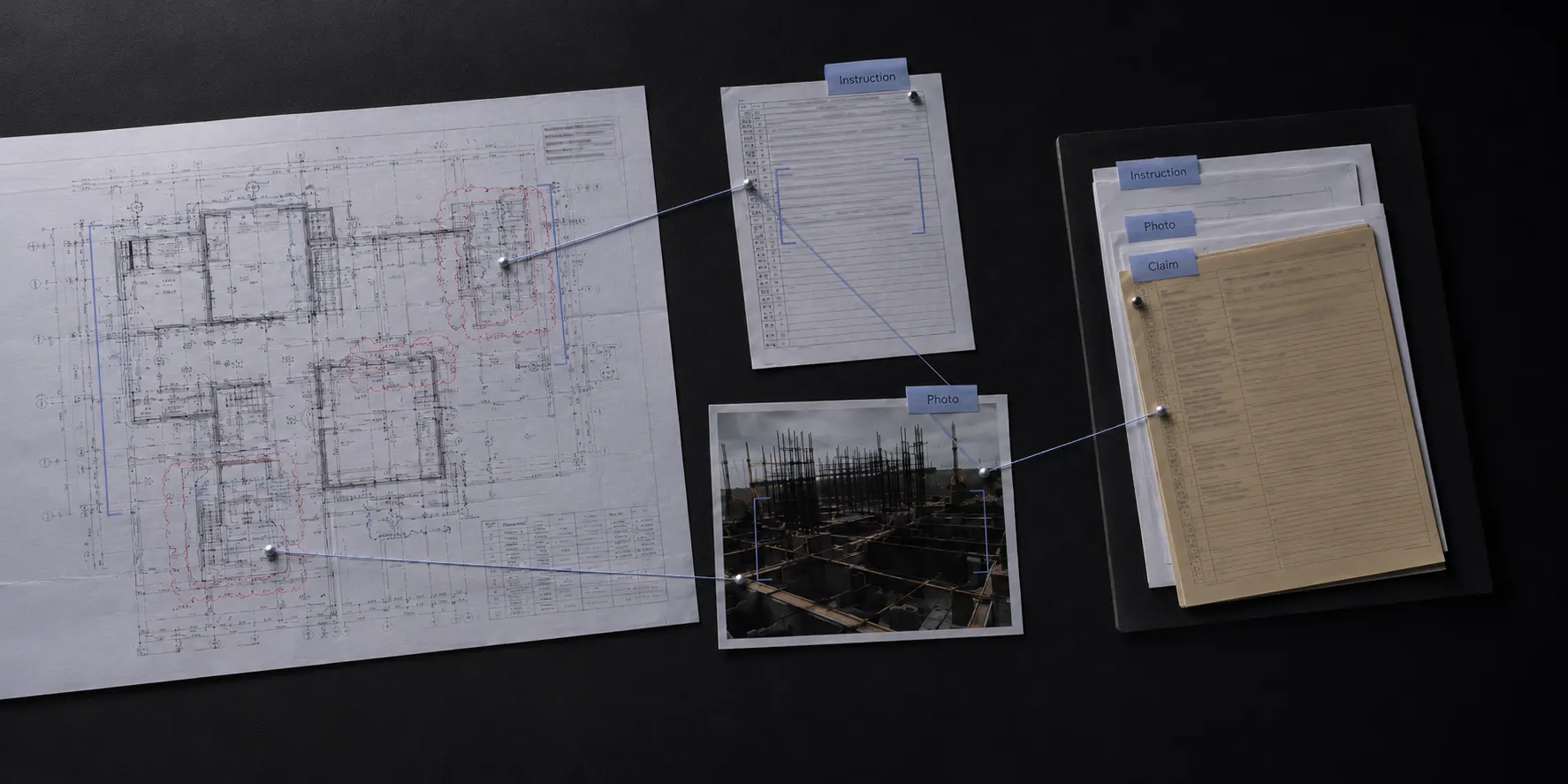
Project sources

  • SharePoint project folders
  • Proposal library
  • Technical reports

Access policy

  • Approved team only
  • Document permissions

Scoped model route

  • Approved model only
  • Query with sources

Audit log

  • Query logged
  • Source reference

Decision rule

Which path fits this workflow?

Start with the lightest option that controls the risk. The review should not force a private deployment or a custom build when the current Microsoft stack is enough.

Decision point Standard Microsoft AI Tighten current controls first ArxLayer controlled workflow
Best when

The work is general drafting, notes, summarising or low-risk productivity.

The workflow is probably fine, but permissions, source hygiene or review ownership are not.

Proposal/report reuse needs approved sources, explicit boundaries and a named owner after go-live.

Typical workflow

General documents, meetings and broad notes.

Existing SharePoint and document workflows that need cleanup.

Proposals, tenders, technical reports, project handovers and adjacent questionnaire drafting.

Source handling

Broad tenant-governed access.

Fix folder, permission and source-group rules first.

Approved source inventory for one workflow.

Access boundaries

Existing Microsoft controls already fit.

Existing controls need tightening.

Workflow-specific boundaries are explicit.

Operations after go-live

Internal owner only.

Internal owner plus tightened procedures.

Managed oversight or named operational ownership.

Best next step

Keep using standard tools.

Tighten controls first.

Request an AI Control Review.

Path 1

Standard Microsoft AI

Best for general drafting, summaries and low-risk productivity when existing Microsoft controls fit.

Best next step: keep using standard tools.

Path 2

Tighten current controls first

Best when the workflow may be fine, but permissions, source hygiene or review ownership are unclear.

Best next step: tighten controls first.

Path 3

ArxLayer controlled workflow

Best when proposal/report reuse needs approved sources, explicit boundaries and a named owner after go-live.

Best next step: request an AI Control Review.

Not the right fit if you mainly want broad AI transformation consulting, hardware-led private-AI sales, or a general automation build with no specific proposal/report boundary.

Review path

Start with a review, not a build

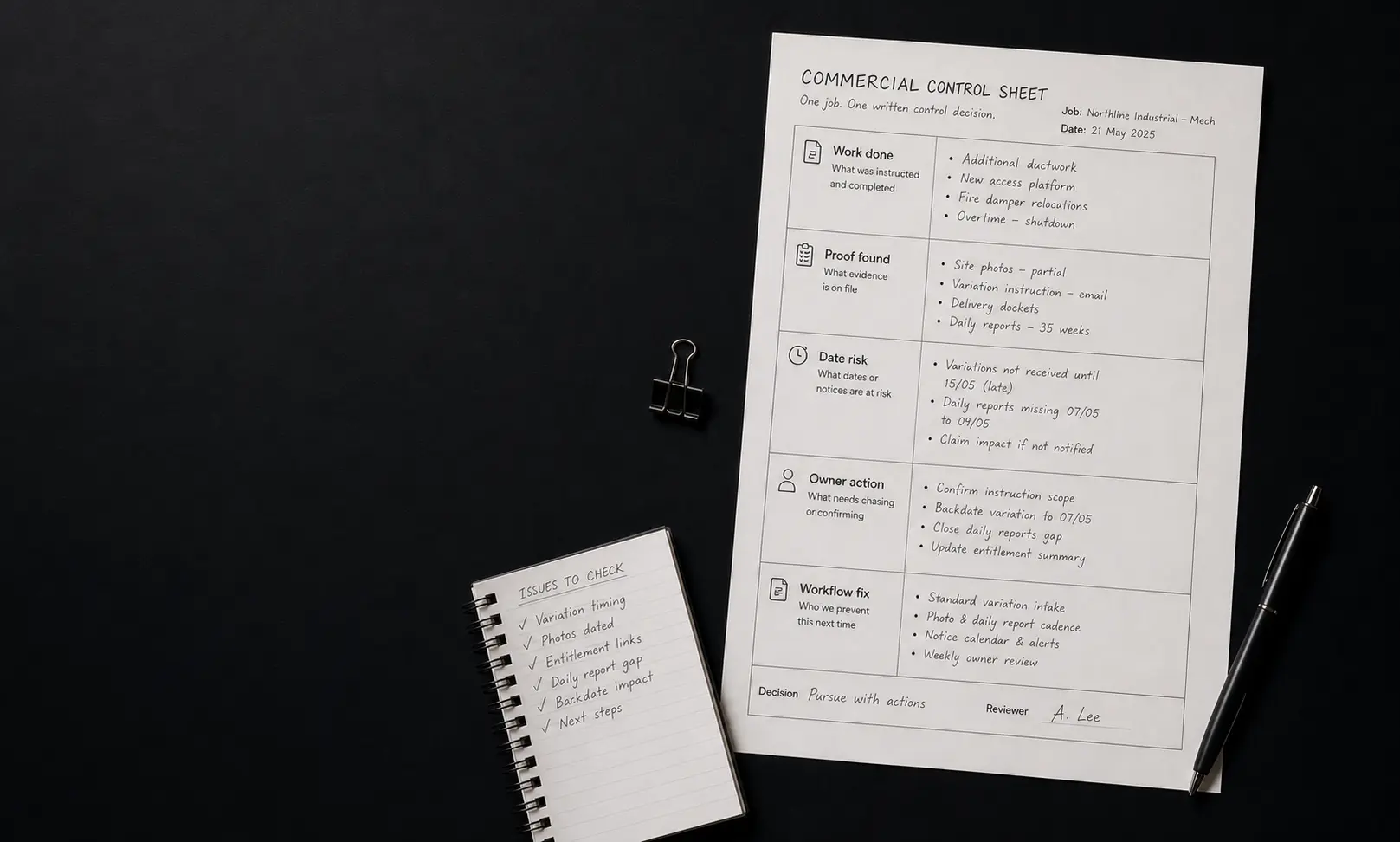
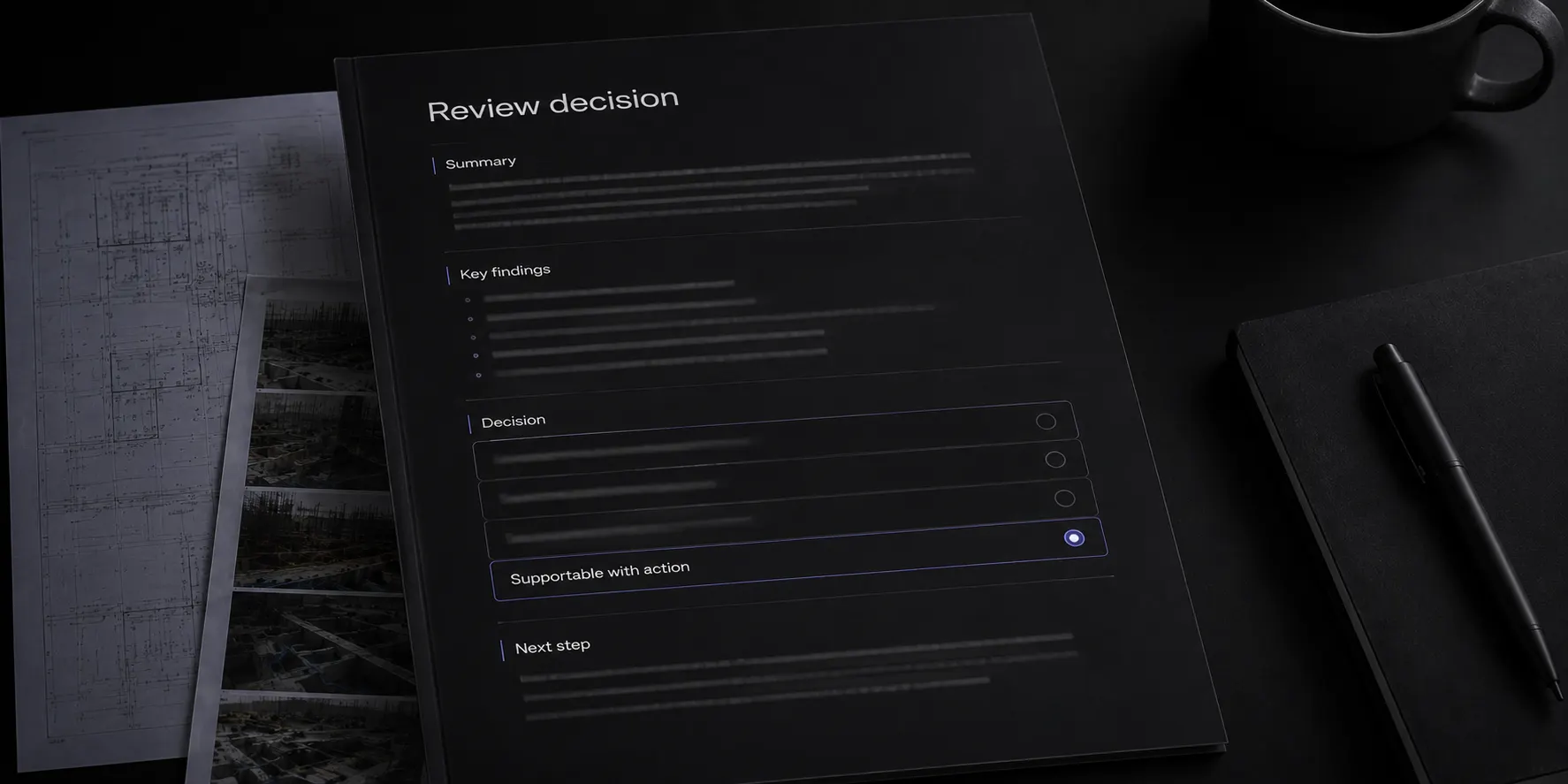
The review should end in one of four answers: standard AI is enough, tighten current controls, map a Blueprint or scope a bounded pilot.

1

AI Control Review

Decide whether standard enterprise AI is enough.

2

Control Blueprint

Map one workflow, source scope and access model.

3

Controlled Workflow Pilot

Prove one approved proposal/report workflow.

4

Managed AI Operations

Keep review, reporting and changes owned.

Paid pilot

Controlled Workflow Pilot

Implement one controlled workflow for proposal and technical-report reuse using approved sources, source references where supported, defined access boundaries and managed oversight.

One team One workflow One approved boundary

Included scope

  • One approved team or department
  • One proposal/report workflow
  • One approved source inventory and access model
  • Source reference expectations
  • Model routing and evaluation checks
  • Deployment path and managed-ops recommendation

Workflow examples

  • Proposal reuse from approved prior content
  • Technical-report drafting from scoped material
  • Project handover summaries
  • Restricted-source exclusion tests
  • Client security questionnaire response as adjacent test

Buyer questions

Buyer questions before a review

Keep the decision narrow: everyday AI rollout, or one workflow that needs tighter control.

Review principle

If standard enterprise AI is enough, the review should say so.

When is ArxLayer worth considering?

ArxLayer is worth considering when proposal, tender or technical-report work reuses prior project material and the workflow needs approved sources, clearer access boundaries and a named review owner after go-live.

When is standard Microsoft AI enough?

If your existing Microsoft 365 permissions, review ownership and workflow boundaries already fit the work, standard Microsoft AI may be enough. The review should say that directly.

Do you default to on-prem?

No. The first question is workflow fit, not deployment ideology. The review should recommend the lightest boundary that controls the risk.

What does the pilot cover?

One team, one workflow and one approved boundary: scoped sources, access model, review controls and an operating plan.

Is this a blanket compliance product?

No. ArxLayer is not a blanket compliance claim. It is a controlled workflow approach for specific document-heavy work where source approval, access boundaries, review and ongoing oversight need to be explicit.

Next step

Confirm the right AI boundary before you build

Send a short, non-confidential workflow brief. The reply should recommend the lightest sensible next step.

  • Workflow fit and source groups
  • Access model and source boundary
  • Whether mainstream enterprise AI is enough
  • Recommendation: stop, tighten, Blueprint or Pilot

Do not include confidential files or sensitive client details in the form.